
国际能源署《全球氢能回顾2026》Global Hydrogen Review 2026

3.0
2026-07-10
10
4
24.87MB
270 页
10龙币
侵权投诉

Global Hydrogen
Review 2026

The IEA examines the
full spectrum
of energy issues
including oil, gas and
coal supply and
demand, renewable
energy technologies,
electricity markets,
energy efficiency,
access to energy,
demand side
management and much
more. Through its work,
the IEA advocates
policies that will
enhance the reliability,
affordability and
sustainability of energy
in its
32 Member countries,
13 Association countries
and beyond.
This publication, as well as
any data and map included
herein, are without prejudice
to the status of or
sovereignty over any territory,
to the delimitation of
international frontiers and
boundaries and to the name
of any territory, city or area.
Source: IEA.
International Energy Agency
Website: www.iea.org
IEA Member
countries:
Australia
Austria
Belgium
Canada
Czech Republic
Denmark
Estonia
Finland
France
Germany
Greece
Hungary
Ireland
Italy
Japan
Korea
Latvia
Lithuania
Luxembourg
Mexico
Netherlands
New Zealand
Norway
Poland
Portugal
Slovak Republic
Spain
Sweden
Switzerland
Republic of Türkiye
United Kingdom
United States
The European
Commission also
participates in the
work of the IEA
IEA Accession
countries:
Chile
Colombia
Costa Rica
INTERNATIONAL ENERGY
AGENCY
IEA Association
countries:
Argentina
China
Egypt
India
Indonesia
Kenya
Morocco
Senegal
Singapore
South Africa
Thailand
Ukraine
Viet Nam
Brazil
Israel
Romania

Global Hydrogen Review 2026 Abstract
PAGE | 3
IEA. CC BY 4.0.
Abstract
The IEA's Global Hydrogen Review 2026 provides an update on hydrogen
production and demand worldwide and identifies the latest developments relating
to policy, infrastructure, trade, investments and innovation.
The report is an output of the Clean Energy Ministerial Hydrogen Initiative and is
intended to provide an update to energy sector stakeholders on the status and
future prospects of hydrogen, and to inform discussions at the Hydrogen Energy
Ministerial Meeting organised by Japan.
The conflict in the Middle East is impacting global supplies of hydrogen and
hydrogen derivatives, such as fertilisers, exposing vulnerabilities in their supply
chains. As energy security concerns move higher up the policy agenda, this year's
report considers the potential contributions of low-emissions hydrogen and
hydrogen derivatives to enhancing energy security. It takes stock of deployment
to date to assess the level of hydrogen uptake that could be achieved by 2030.
This sixth edition of the Global Hydrogen Review includes novel analysis on what
constitutes an acceptable cost for low-emissions hydrogen across multiple
applications and regions. It concludes with a special focus chapter exploring
challenges and opportunities for the development of new supply chains for low-
emissions hydrogen-based products in Africa.
The report is published alongside updates to the Hydrogen Production and
Infrastructure Projects Database and the online Hydrogen Tracker. These
resources allow users to explore project-level information and data on announced
and operational projects for the production of low-emissions hydrogen and for the
development of hydrogen infrastructure. It also includes information on signed
offtake agreements for low-emissions hydrogen and hydrogen derivatives, and
details on more than 1 000 hydrogen policies worldwide that have been
announced or implemented since 2020.

Global Hydrogen Review 2026 Acknowledgements
PAGE | 4
IEA. CC BY 4.0.
Acknowledgements, contributors
and credits
The Global Hydrogen Review was prepared by the Energy Technology Policy
(ETP) Division of the Directorate of Sustainability, Technology and Outlooks
(STO) of the International Energy Agency (IEA). The study was designed and
directed by Timur Gül, Chief Energy Technology Officer.
Uwe Remme (Head of the Hydrogen and Alternative Fuels Unit) provided strategic
guidance throughout the development of the project. Jose Miguel Bermudez
Menendez (lead on production and demand) and Herib Blanco (lead on Africa,
cost acceptability and policies) co-ordinated the analysis and production of the
report. Amalia Pizarro led the analysis for the chapters on trade and infrastructure,
and investment and innovation.
The principal IEA authors and contributors were (in alphabetical order): Alberto
Agnelli (investment), Giovanni Andrean (shipping), Simon Bennett (investment),
Laurence Cret (shipping), Elizabeth Connelly (transport), Mathilde Fajardy
(CCUS), Hannes Gauch (aviation), Alexandre Gouy (industry), Chris Kim
(production), Carolina Ladero (production and infrastructure), Mayuko Morikawa
(production and infrastructure), Jules Parfouru (investment), Federico Parolin
(production), Jules Sery (road transport), Richard Simon (industry). Quentin
Minier provided targeted support to the project.
The development of this report benefited from contributions provided by the
following IEA colleagues: Matthildi Apostolou, Rita Madeira, David Martin, Deniz
Ugur and Peter Zeniewski.
Valuable comments and feedback were provided by senior management and
other colleagues within the IEA, in particular Laura Cozzi, Tim Gould, Alessandro
Blasi, Paolo Frankl, Dennis Hesseling, Cecilia Tam and Peter Coleman.
Lizzie Sayer edited the manuscript while Olivia Napper helped with graphical
design. Per-Anders Widell provided essential support throughout the process.
Special thanks go to Prof. Jochen Linßen and his team at Jülich Systems
Analysis, Forschungszentrum Jülich (Prof. Heidi Heinrichs, Maximilian Stargardt,
Christoph Winkler) for their model analysis on renewable hydrogen production
costs and potentials.
Thanks also to the IEA Communications and Digital Office for their help in
producing the report and website materials and promoting it, particularly to
Global Hydrogen Review 2026 Acknowledgements
PAGE | 5
IEA. CC BY 4.0.
Jethro Mullen, Lee Bailey, Isabella Batten, Curtis Brainard, Poeli Bojorquez,
Gaelle Bruneau, Jon Custer, Astrid Dumond, Merve Erdil, Liv Gaunt, Grace
Gordon, Julia Horowitz, Oliver Joy, Isabelle Nonain-Semelin, Andrea Pronzati,
Clara Vallois, Lucile Wall.
The work benefited from members of the Clean Energy Ministerial’s Hydrogen
Initiative’s in-kind and financial support, including the Governments of Austria,
Canada, Germany, Japan, the Netherlands and the United Kingdom, as well as
the European Commission.
Special thanks go to the following organisations and initiatives for their valuable
contributions: the Fuel Cells and Electrolysers as well as the Hydrogen IEA
Technology Collaboration Programmes, the Hydrogen Council, the International
Hydrogen Fuel Cell Association and the International Partnership for Hydrogen
and Fuel Cells in the Economy (IPHE).
Peer reviewers provided essential feedback to improve the quality of the report.
They include: Nawal Alhanaee, Maryam Mohammed Alshamsi and Abdalla Talal
Alhammadi (Ministry of Energy, United Arab Emirates); Abdul'Aziz Aliyu (IEAGHG
TCP); Kathees Anandavel (Natural Resources Canada); Laurent Antoni (IPHE);
Omid Haeri Ardakani (Geological Survey of Canada); Chiara Aruffo (Dii Desert
Energy); Florian Ausfelder (Dechema); Abhay Bakre (Ministry of New and
Renewable Energy, India); Yasmina Benmessaoud (MASEN); Tobias Block
(eFuel Alliance); Danielle Borher (Energy Research Office, Brazil); Jose Luis Cabo
(Ministry for Ecological Transition and Demographic Challenge, Spain); Leah
Charpentier (MSC Group); Yeojin Cho (Kia); Tudor Constantinescu (DG ENER,
European Commission); Anne-Sophie Corbeau (Center on Global Energy Policy,
Columbia University); Linda Dempsey (CF Industries); Francesco Dolci (Joint
Research Centre, European Commission); Amandeep Garcha (Natural
Resources Canada); Eric Gaucher and Jean Gaucher (Lavoisier H2 Geoconsult);
Jeffrey Goldmeer (GE Vernova); Anyie Guerrero (Ministry of Mines and Energy,
Colombia); Emile Herben (Yara); Stephan Herbst (Toyota); Moon Ho Kim
(Aramco); Dik van Hoorn (Ministry of Economic Affairs and Climate of the
Netherlands); Tatsuya Hoshino (Mitsui); Olivia Infantes Morales (Moeve); Kenji
Ishizawa (IHI Corporation); Lehbib Khroumbaly (Energy and Mines, Mauritania);
Jan Klenke (H2Global); Yoshikazu Kobayashi (The Institute of Energy Economics,
Japan); Leif C Kröger (thyssenkrupp nucera); Thomas Kwan (Schneider Electric);
Gabriel Laera (Woodside); Francisco Laveron (Iberdrola); Rafael Lavrador
(Energy Research Office, Brazil); Ho-Mu Lee (Korea Energy Economics Institute);
Krzysztof Lokaj (Wärtsilä); Constantine Levoyannis (Nel Hydrogen); Sylvain
Marcant (Mantle8); Paul McCormack (Hydrogen Ireland Association); Nelson
Mojarro (International Chamber of Shipping); Masashi Nagai (Chiyoda); Maria
Teresa Nonay (Enágas); Torben Nørgaard (Mærsk Mc-Kinney Møller Center for
Zero Carbon Shipping); Koichi Numata (Toyota); Eiji Ohira (New Energy and

声明:本站是提供个人知识管理的网络存储空间,所有内容均由用户发布,不代表本站观点。请注意甄别内容中的联系方式、诱导购买等信息,谨防诈骗。如发现有害或侵权内容,请点击侵权投诉。
相关推荐
-
烟气脱硝及催化剂知识10.10
 2024-09-14 83
 -
双极制氢
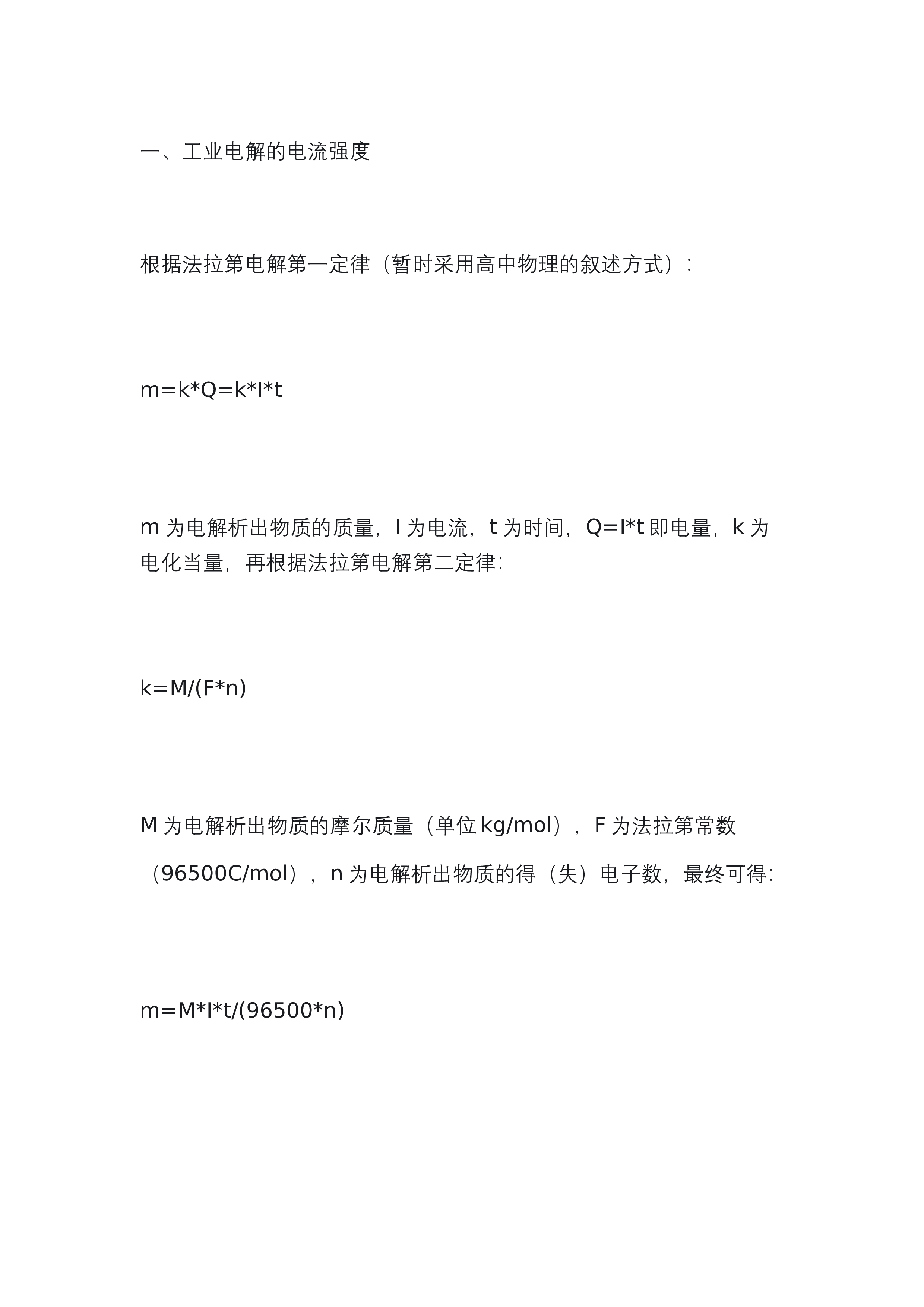
 2024-09-26 97
 -
镍锌无隔膜燃料电池简介
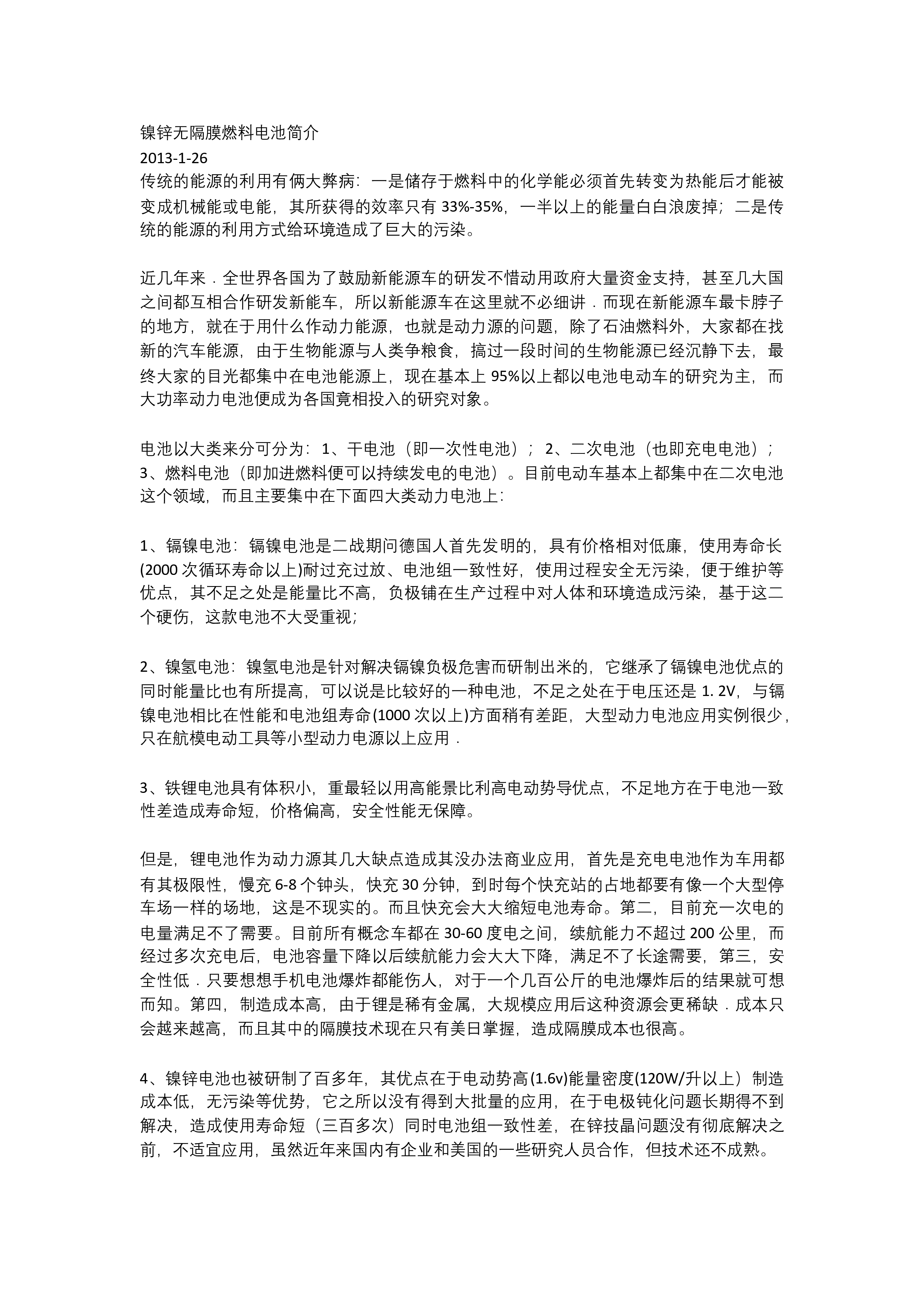 2024-10-05 72
 -
附图:计算机监控系统图
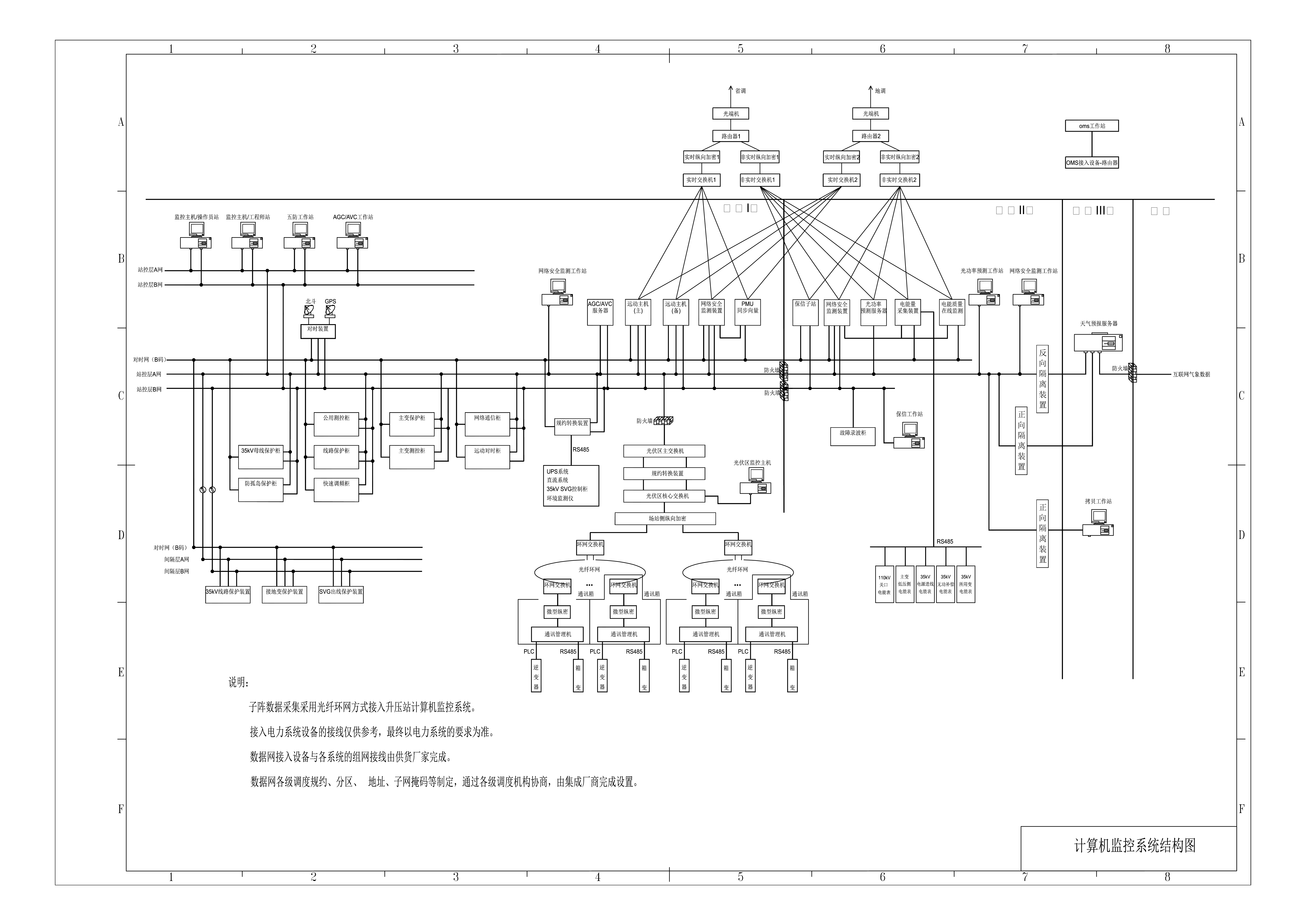
 2024-10-05 127
 -
华为防逆流装置讲解
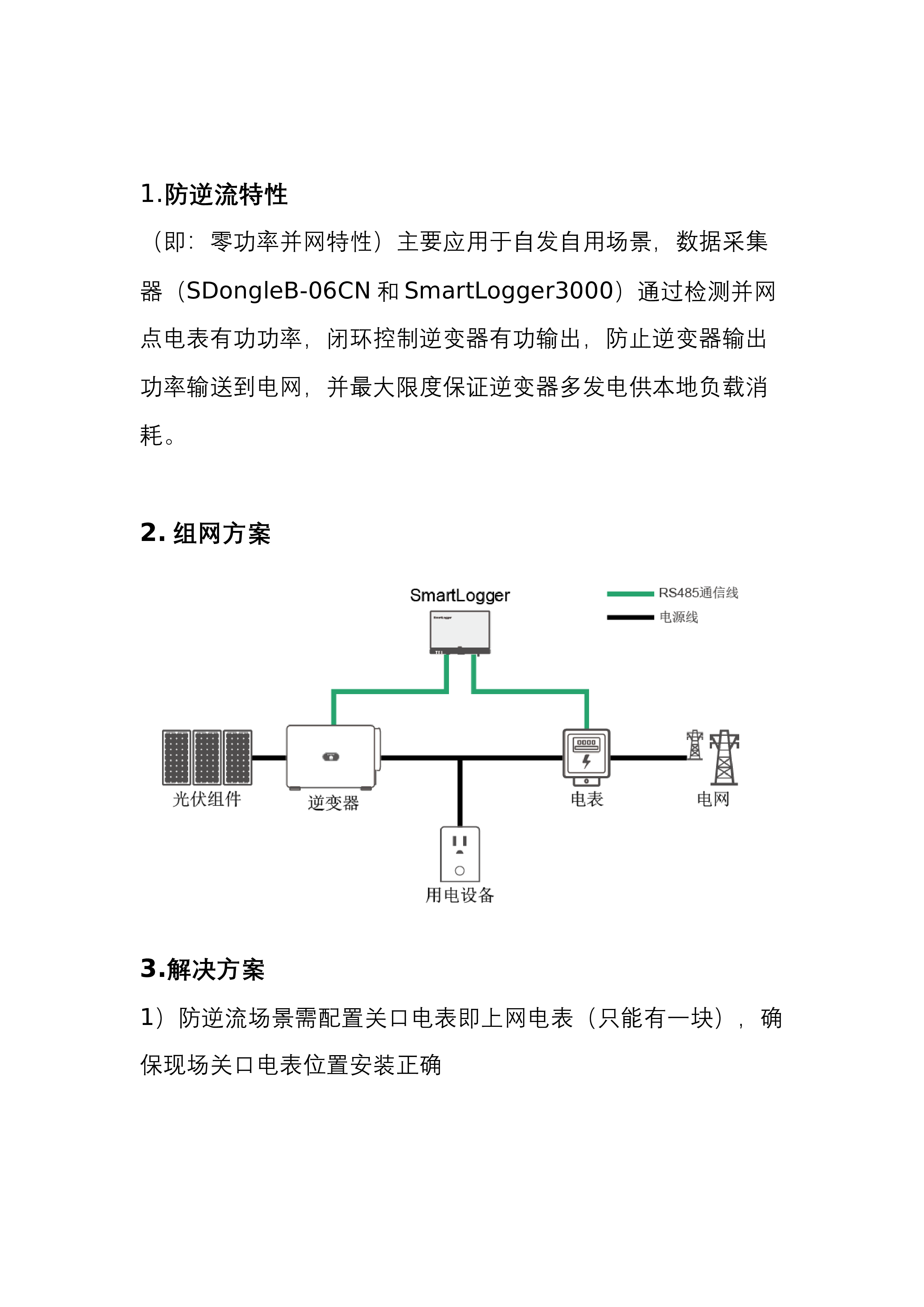 2024-12-03 328
 -
2025版+最新强制性条文汇编(2月4日更新)
 2025-02-24 282
 -
变压器互为备用研究
2025-03-13 56
-
ESPLAZA长时储能行业月报-2025年2月刊
 2025-03-28 79
 -
南方电网公司输变电工程造价控制线(2025 年)
 2025-08-21 276
 -
GB+20052-2024 电力变压器能效限定值及能效等级-副本
 2026-04-20 73
分类:实用文档
价格:10龙币
属性:270 页
大小:24.87MB
格式:PDF
时间:2026-07-10
相关内容
-

河北南网新能源电价信息表
分类:实用文档
时间:2026-08-12
标签:无
格式:PDF
价格:10 龙币
-
晶硅光伏组件和逆变器能效限定值及能效等级——报批稿——综合批注稿2(1)
分类:实用文档
时间:2026-08-12
标签:无
格式:PDF
价格:10 龙币
-
中国适应气候变化进展报告(2025)
分类:实用文档
时间:2026-08-12
标签:无
格式:PDF
价格:10 龙币
-

中国新型储能发展报告2026
分类:实用文档
时间:2026-08-12
标签:无
格式:PDF
价格:10 龙币
-
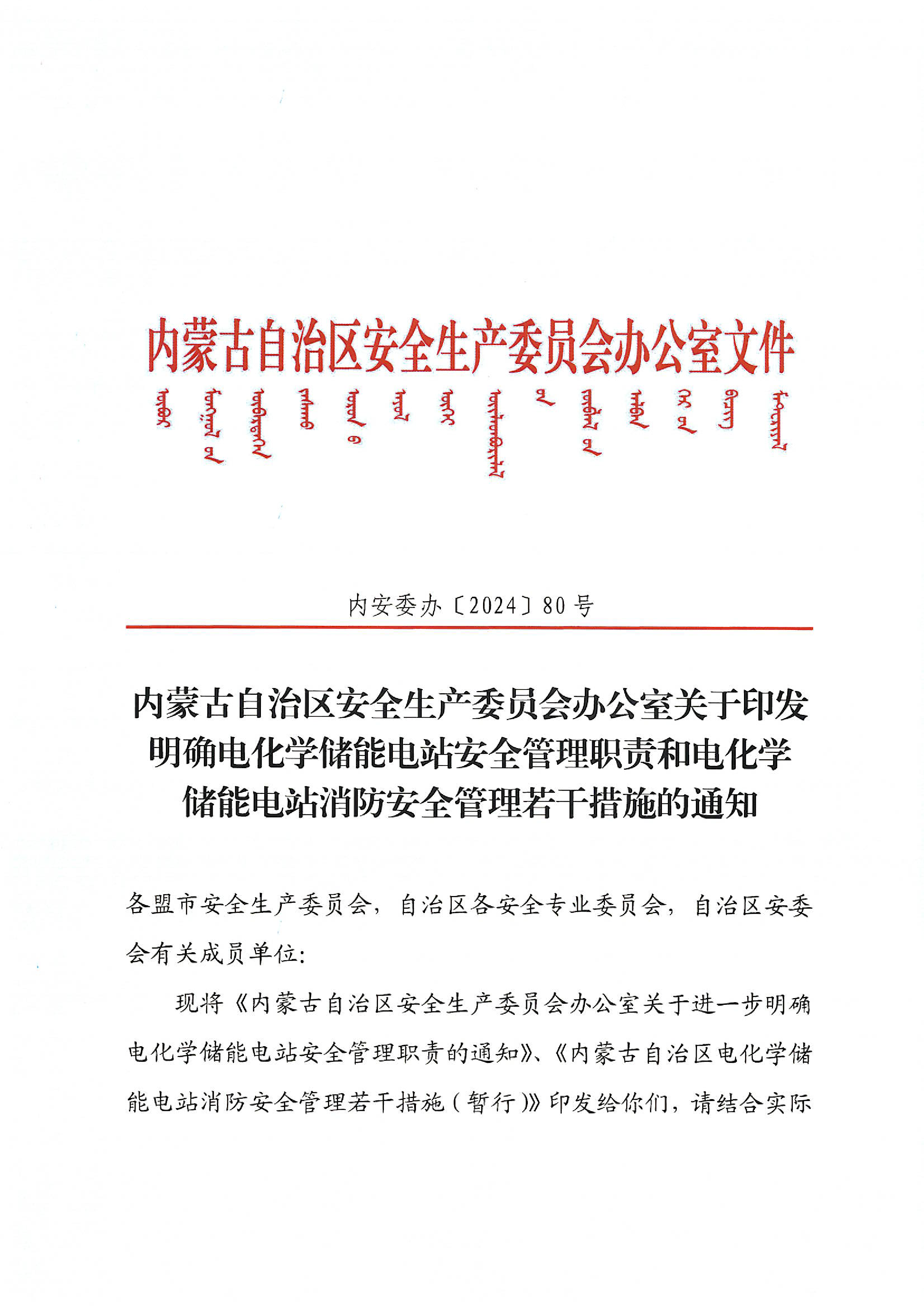
内蒙古自治区安全生产委员会办公室关于印发明确电化学储能电站安全管理职责和电化学储能电站消防安全管理若干措施的通知【2024-10-28】
分类:实用文档
时间:2026-08-12
标签:储能、安全、消防
格式:PDF
价格:免费
 冀公网安备13010802002329
